Built by people who’ve shipped software for decades.
Leadership with over 75 years of combined software experience, advisors with deeper benches in the rooms that matter, and real machine-learning, data-science, and AI customer delivery since 2016.
Meet the leadership team.
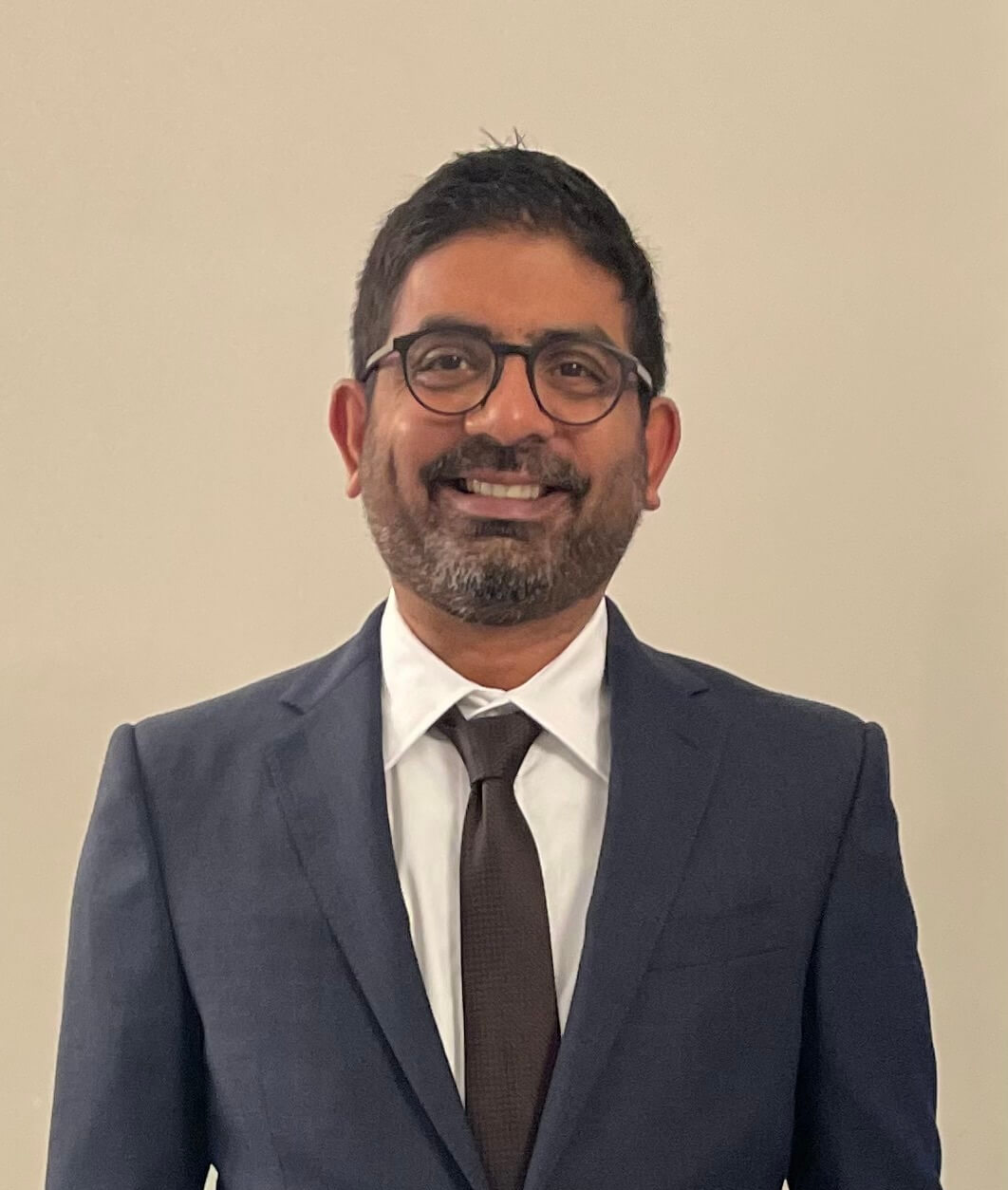
Praveen Raghaven
Justin Williams
Thought leadership and strategic reach.
Advisor One
Advisor Two
Advisor Three
Advisor Four
Software development is hard. Quality agentive AI raises the bar.
Every team building software now carries two responsibilities at once: understanding the craft of software and understanding the AI that ships inside it. That’s a lot to ask of any organization - especially while the underlying models keep changing under everyone’s feet.
We levered our hard earned experience in the challenging field of software to build Boxcar to roll those lessons up into one platform. A way for teams to make the leap to consistent, measurable, evidence-based success - without having to acquire the bruises themselves.
Autonomy that isn’t isolation - even at thirty minutes one-way.
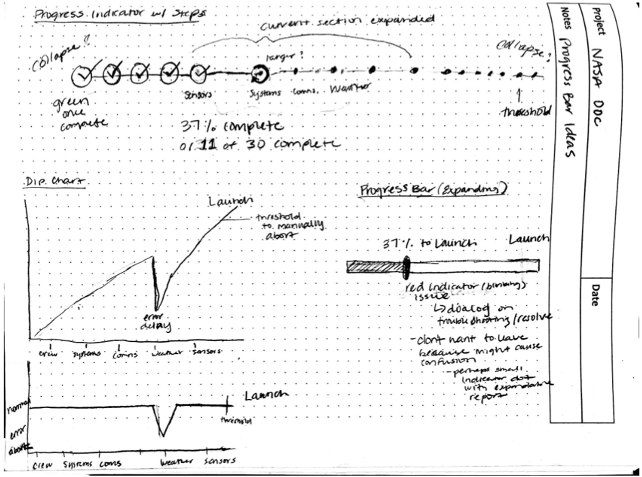
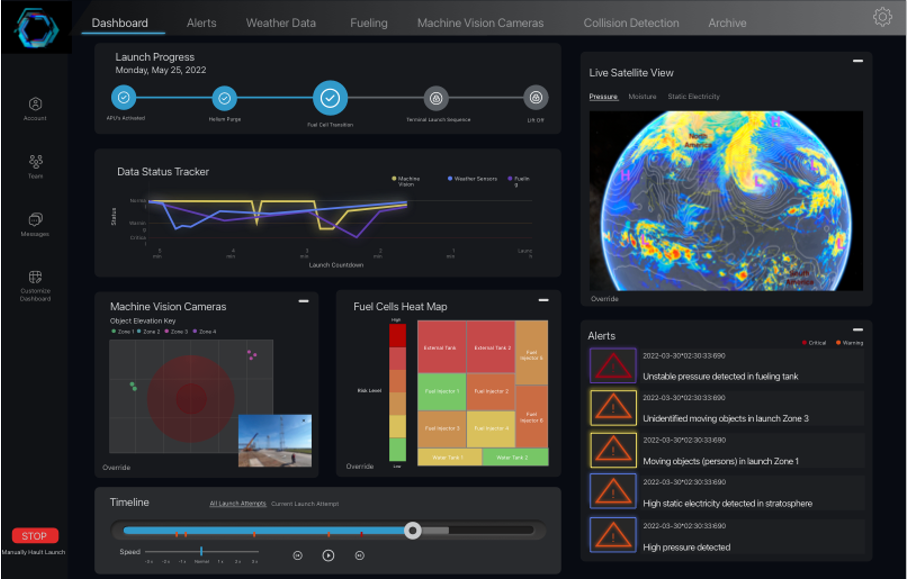
Aphelion Aerospace and Boxcar built a fully autonomous, real-time AI for launch operations in environments where humans have to stay in the loop but can’t possibly be in the moment - environments like a Mars launch, where one round trip of communication is roughly thirty minutes. Differentiable deep learning and agentive models on the edge with the vehicle, paired with terrestrial cloud compute for what doesn’t have to ship. The result enabled mission profiles that simply couldn’t be designed before - and proved that fully autonomous systems can still be part of a human-centric journey, with accountability and collaboration preserved by design.
- Mission profiles previously impossible to design - the human can’t be in the moment, but is still in the loop.
- Edge inference on the vehicle, terrestrial cloud for what doesn’t have to ship; intent and policy travel together.
- Accountability preserved by design - autonomy is not the same as isolation, even at thirty minutes one-way.
- Human collaboration scaled across light-minutes, not erased by them.
The line stops itself - in the operator’s lingo.
Classification used to be the bottleneck on this line: too risky to handle, too dependent on tribal knowledge, too expensive to standardize. The team replaced it with a fully touchless system that listens, watches, and learns from each operator. When something breaks the rules - an off-spec radiation signature, a tag mismatch, a confidence drop - the conveyor halts, the comms channel goes quiet, and the system walks the operator through the call in their own vocabulary.
- Touchless voice-and-vision interface keeps hands clear of the material entirely.
- Operators teach the system on the job; classifications get sharper with use, no retraining cycle.
- Belt halts and comms blackouts are deterministic - capability sits inside guardrails, not next to them.
- Operators describe the AI as “having my back” - retention and confidence both up since rollout.
Local autonomy. Shared rigor. Half a million in licensing back.
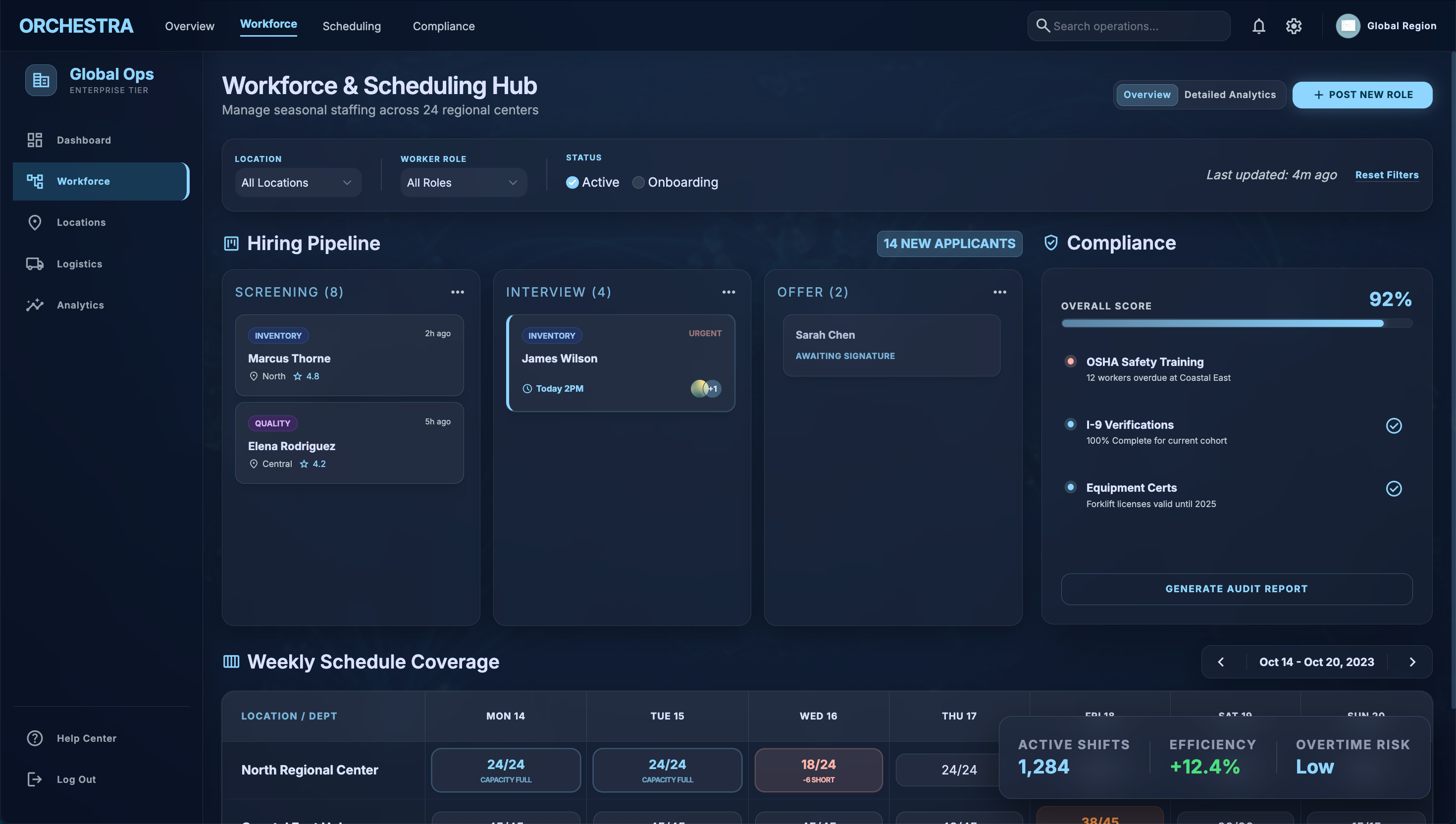
A service operator running dozens of regional locations had the classic federation problem - every region wanted (and needed) its own way of working, but without shared documentation, success measures, or AI scaffolding, every region was reinventing the same things and licensing the same tools five times over. Boxcar gave them one substrate where each location kept its operating autonomy on top of standardized intent, success metrics, and an explainable-AI hiring signal a regional GM can actually defend.
- $500K+ recovered on consolidated licensing in year one alone.
- Standardized documentation and shared success measures landed across all regions without removing local discretion.
- Explainable-AI recruiting that hiring leads can defend in plain language - ethics holds up in writing, not just in policy.
- Compounding gains in talent retention, operational efficiency, customer experience, and risk posture - tracked, not asserted.
Non-clinical staff. Clinical-grade triage.
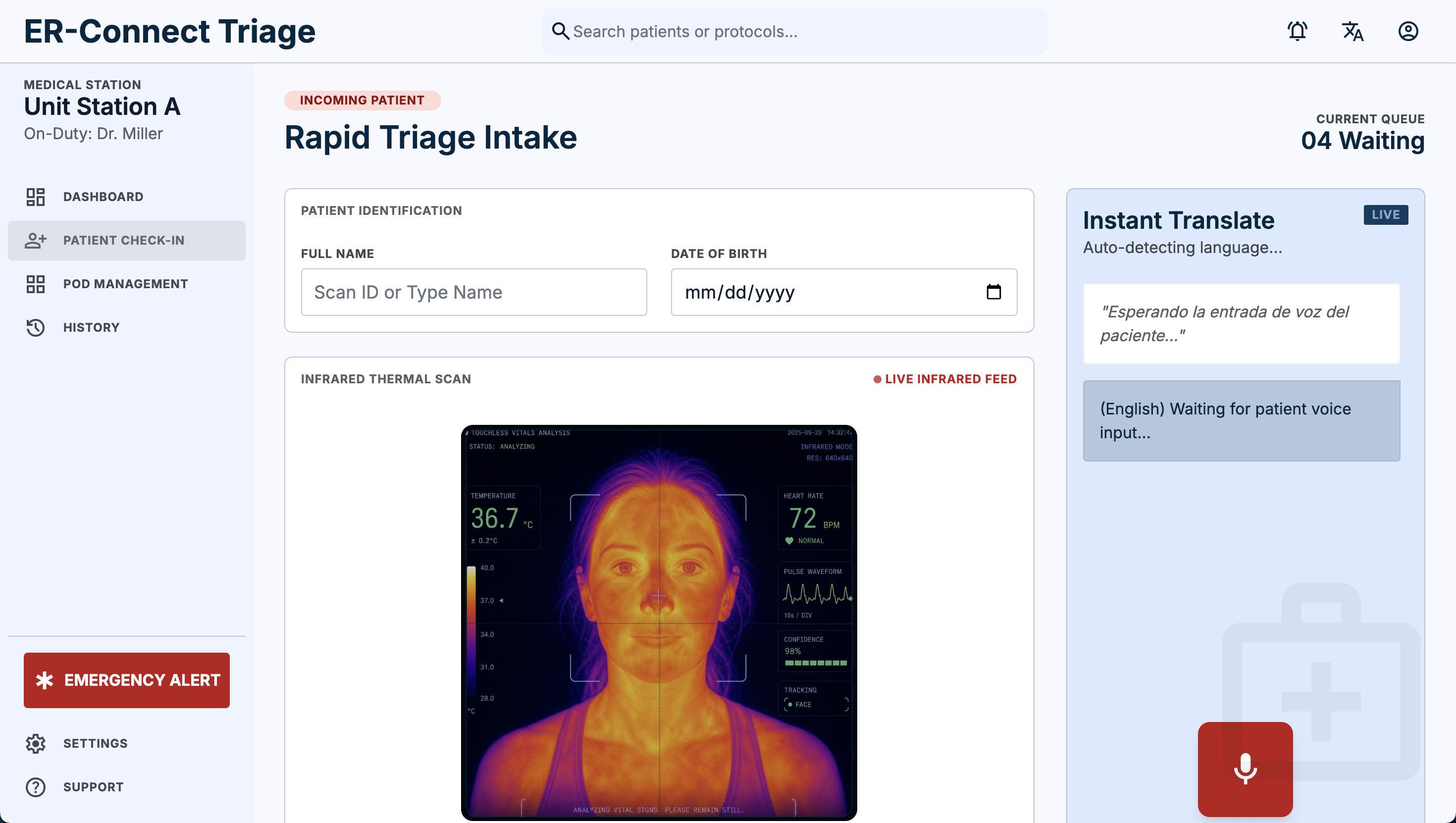
An emergency department needed front-desk staff to handle accurate triage on incoming patients without operating outside their training. The team built a multi-modal intake: an IR camera that derives heart rate and temperature from frame-over-frame color amplification, a privacy-respecting lookup against the patient’s prior visits, real-time language translation, and RPA bridges into legacy systems with no API. Every patient outcome feeds historic and real-time analysis - surfaced disparities then become the next features the system ships.
- Contactless vitals (HR, temperature) from a standard IR camera plus subtle-color amplification.
- Real-time language translation - born from a disparity the outcome analysis surfaced, not from a feature backlog.
- RPA bridges to proprietary systems with no API, so urgent data extraction and recording stays within authorized provider workflow.
- Outcome telemetry feeds the roadmap directly - measurement is the continuous-improvement loop.
Ready to put AI on rails?
Tell us about the work you’re trying to bring into a real lifecycle - whether the goal is velocity, evidence, both, or something else entirely. We’ll come back with a real conversation, not a sequence.
One workflow. Real stakes. Let’s map it.
Whether you’re evaluating an autonomy envelope for a regulated workflow, looking for a workshop for your team, or curious how the open core fits with your stack - this form is the right place to start.
- Tell us the workflow you’d most like to put on rails.
- Share the assessment from the readiness check on the home page if you took it.
- We aim to respond within one business day.